Choosing the right siding for a California home is not just a design decision — it’s a long-term investment that affects durability, energy efficiency, maintenance costs, and resale value. Two of the most common options homeowners compare are James Hardie® fiber cement siding and vinyl siding.
While both materials are widely available, California’s climate, fire risk, and building standards make this comparison especially important. What works well in other states doesn’t always perform the same way in Sacramento, the Bay Area, or Lake Tahoe.
This guide breaks down cost, durability, maintenance, fire resistance, and return on investment (ROI) so you can make an informed decision based on how California homes are actually built and evaluated.
Overview: Hardie Board vs Vinyl Siding
| Factor | Hardie Board (Fiber Cement) | Vinyl Siding |
|---|---|---|
| Material | Cement, sand, cellulose fibers | PVC plastic |
| Appearance | Wood-like, high-end | Plastic look (varies by grade) |
| Fire Resistance | Non-combustible | Melts under heat |
| Lifespan | 30–50+ years | 20–30 years |
| Maintenance | Low, repaint every ~12–15 yrs | Very low |
| California Approval | Excellent | Limited in fire zones |
| ROI | High | Moderate |
1. Cost Comparison in California
Hardie Board Siding Cost (California)
In California, Hardie Board installation typically costs more upfront due to material weight, labor, and installation standards.
Average cost (installed):
- $18 – $20+ per sq. ft.
- Full home (2,000 sq. ft.): $36,000 – $48,000+
Why it costs more:
- Heavier material → skilled labor required
- Proper flashing & moisture management
- Fire-rated installation requirements in many areas
Vinyl Siding Cost (California)
Vinyl siding is generally cheaper to install but varies significantly by quality.
Average cost (installed):
- $8 – $16+ per sq. ft.
- Full home (2,000 sq. ft.): $18,000 – $32,000+
Important caveat:
High-end vinyl that attempts to match Hardie’s look often approaches Hardie pricing — without the same durability or fire resistance.
Cost Verdict
- Short-term budget focus: Vinyl
- Long-term investment: Hardie Board
In California, lower upfront cost does not always equal lower total cost over time.
2. Durability in California’s Climate
California is not one climate — it’s many.
Hardie Board Durability
Hardie Board is engineered specifically for regional climates, including HardieZone® HZ10, which is designed for:
- Hot summers
- Cool, damp winters
- Coastal moisture
- Inland heat
Performs well against:
- Warping
- Cracking
- UV damage
- Moisture intrusion
- Pests (termites, carpenter ants)
Vinyl Siding Durability
Vinyl siding performs best in mild climates. In California, performance depends heavily on location.
Common issues in CA:
- Warping or softening in extreme heat
- Brittleness in colder mountain regions
- Fading from prolonged UV exposure
- Cracking during temperature swings
Vinyl also hides damage well — which can be a downside when moisture intrusion goes unnoticed behind panels.
Durability Verdict
- Sacramento heat / Bay Area moisture / Tahoe cold: Hardie Board wins
- Vinyl may be acceptable in mild coastal microclimates, but performance varies
3. Fire Resistance & California Building Codes
This is where the comparison becomes non-negotiable in many areas.
Hardie Board & Fire Safety
Hardie Board is non-combustible and carries a Class A fire rating.
Benefits:
- Approved for Wildland-Urban Interface (WUI) zones
- Helps meet California fire codes
- Can lower insurance risk
- Adds peace of mind in wildfire-prone regions
Vinyl & Fire Risk
Vinyl siding:
- Is combustible
- Melts under heat exposure
- Can ignite nearby materials
- Often not allowed in high-fire-risk zones
In wildfire-prone regions, vinyl siding can:
- Increase inspection issues
- Reduce insurability
- Limit resale appeal
Fire Safety Verdict
For much of California:
Hardie Board is the safer, code-friendly choice.
4. Maintenance & Long-Term Ownership Costs
Hardie Board Maintenance
- Factory-painted finishes last 12–15 years
- Repainting costs less than full replacement
- Resistant to rot, pests, and moisture
Typical long-term costs:
- Occasional repainting
- Minimal repair work
Vinyl Maintenance
- No painting required
- Cleaning needed to prevent staining or mildew
- Damaged panels must be replaced (not repaired)
Hidden downside:
Matching color during repairs years later can be difficult due to fading.
Maintenance Verdict
- Lowest effort: Vinyl
- Best balance of durability + appearance: Hardie Board
5. Appearance & Curb Appeal
Hardie Board Aesthetics
- Realistic wood grain textures
- Smooth modern profiles
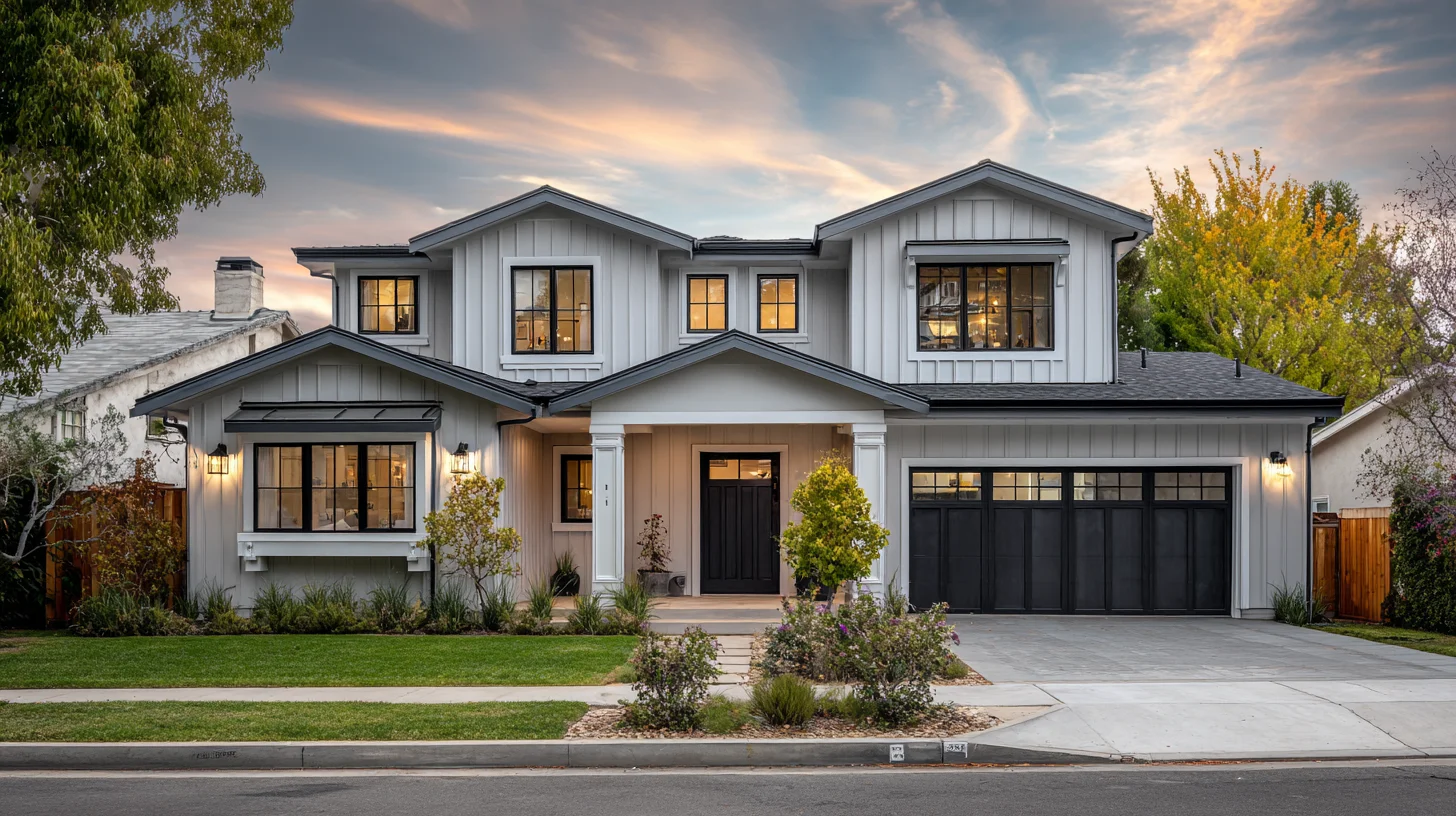
- Board-and-batten, lap, and panel styles
- Works well on custom and semi-custom homes
Common in:
- Granite Bay
- El Dorado Hills
- Bay Area remodels
- High-end Tahoe builds
Vinyl Aesthetics
- Wide color selection
- Limited realism at close range
- Often associated with entry-level or production homes
In higher-end California neighborhoods, vinyl can be a visual downgrade.
Appearance Verdict
For resale and neighborhood fit:
Hardie Board consistently wins.
6. ROI & Resale Value in California
Hardie Board ROI
National and regional studies consistently show:
- 70%–85% cost recoupment at resale
- Higher buyer confidence
- Better appraisal outcomes in competitive markets
In California’s high-value housing market, materials that signal quality and compliance matter.
Vinyl ROI
- Lower initial cost
- Typically lower resale impact
- Can be flagged negatively in premium neighborhoods or fire zones
ROI Verdict
If resale value matters — and in California it usually does —
Hardie Board delivers stronger long-term returns.
7. Which Siding Is Right for Your California Home?
Hardie Board Is Best If:
- You’re in a fire-risk area
- You want long-term durability
- You plan to stay in the home 10+ years
- You care about resale value
- Your neighborhood trends toward higher-end finishes
Vinyl May Work If:
- Budget is the primary driver
- You’re in a mild coastal climate
- Fire code restrictions are minimal
- Short-term ownership is expected
Final Verdict: Hardie Board vs Vinyl in California
For most California homeowners, James Hardie fiber cement siding is the smarter long-term investment.
While vinyl offers a lower upfront cost, Hardie Board delivers:
- Better fire safety
- Superior durability
- Higher resale value
- Stronger performance across California’s diverse climates
The right choice ultimately depends on your location, goals, and timeline — but cutting corners on siding in California often costs more later.
Thinking About Replacing Your Siding?
If you’re considering siding replacement in Sacramento, the Bay Area, or Lake Tahoe, a professional evaluation can help determine:
- Code requirements
- Fire-zone compliance
- Moisture risks
- True installation costs
A properly planned siding replacement protects your home — and your investment.